The role of animal caretakers in conservation programs
On EmmèneTonChien.com, I mainly talk about vacations and adventures to share with your dog. But behind dog-parents are often animal lovers in the broadest sense… so I thought this slightly different topic might interest you! And since I'm not an expert in the field of animal care, I preferred to let Skill & You, an online training school, explain it to you accurately.
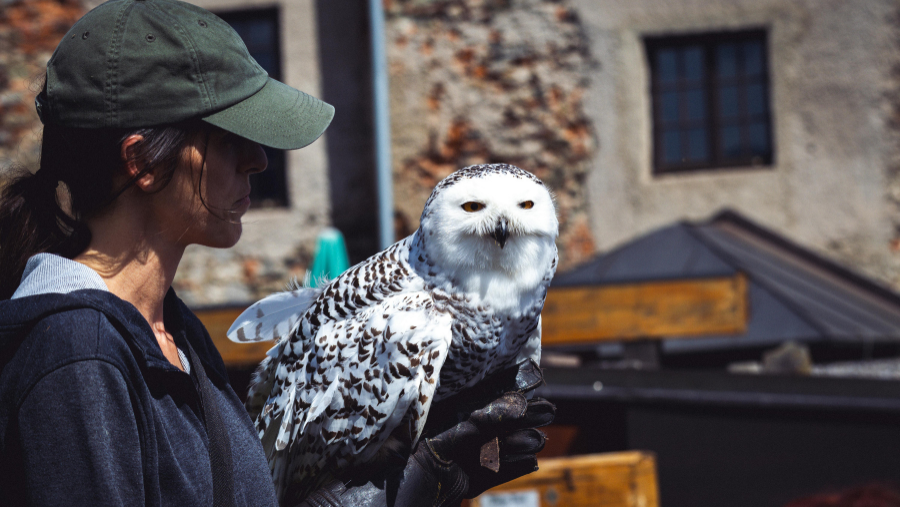
When visiting a zoo, the work of zookeepers seems primarily focused on feeding, cleaning, and monitoring. These tasks are essential, but they represent only a part of their role. In institutions committed to conservation, zookeepers also contribute to population monitoring, breeding, research, and public education.
Summary
Observe the animals to better protect them
The animal caretaker often knows an animal's daily routines better than anyone else. They notice a decrease in appetite, an unusual posture, a change in social interactions, or a shift in activity level. Just like with a dog you know well, these subtle signs can reveal a health problem, stress, or difficulty adapting.
These observations are recorded and then passed on to veterinarians, biologists, and animal caretakers. This vigilance is particularly important for endangered species, where every birth, illness, or transfer can influence the management of the housed population.
This explains why people who want to become animal caretakers need a solid foundation in behavior, nutrition, hygiene, and safety. Training like the one offered by Skill & You helps them understand the needs of different species and the rigor required for their daily care.
Participate in breeding programs
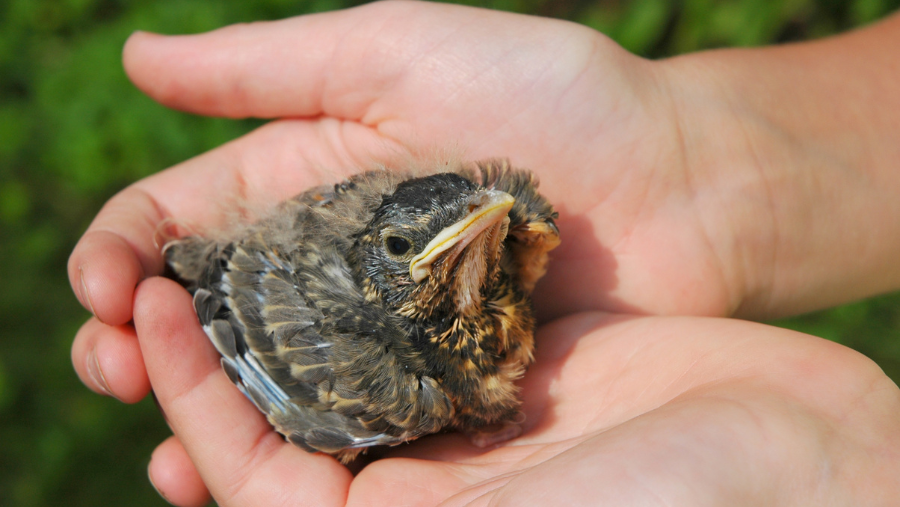
Some zoos participate in coordinated programs aimed at maintaining viable populations of endangered species outside their natural habitat. The goal is not simply to increase births: breeding is planned according to genetic diversity, kinship, available space, and objectives defined for each species.
The keepers observe reproductive cycles, prepare enclosures, and monitor the formation of pairs. After a birth, they monitor the young animal's development and its interactions with the adults. Their knowledge of the individual animals also allows them to anticipate certain incompatibilities and organize gradual introductions.
Facilitating veterinary care
Some medical procedures can be distressing for a wild animal. To limit the use of anesthesia and restraints, animal caretakers sometimes implement medical training based on positive reinforcement.
The animal gradually learns to step onto a scale, present a paw, or position itself against a wall for examination. This learning remains voluntary and tailored to the individual. It facilitates sample collection and treatment monitoring while reducing risks.
Collecting data useful for research
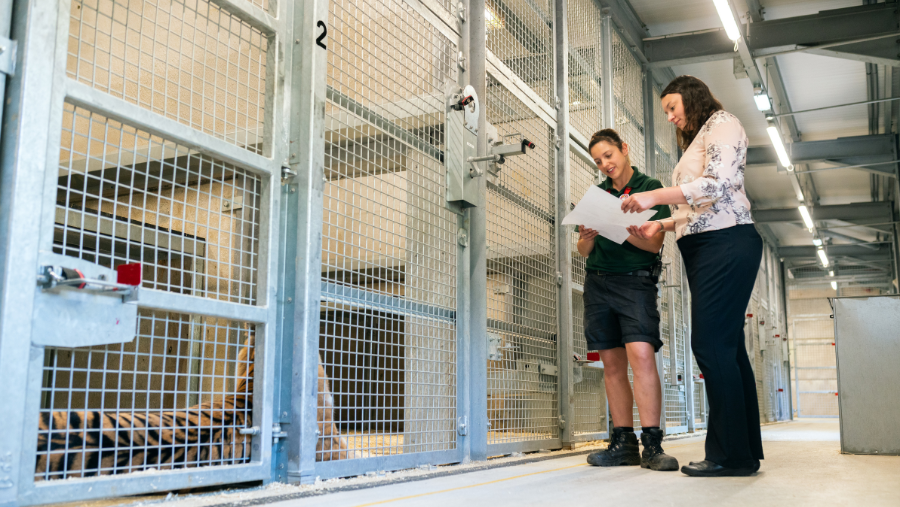
The data collected daily can contribute to scientific research on nutrition, reproduction, behavior, and aging. Keepers follow specific protocols: measuring food consumption, observing the use of equipment, and noting the frequency of behaviors.
This data does not replace the study of animals in their natural environment. However, it can improve practices, refine knowledge about a species that is difficult to observe, and support field projects. Zoological networks thus combine population management, research, education, and support for conservation in natural habitats.
Preparing certain animals for reintroduction
Reintroduction remains complex and only concerns a portion of the species hosted. When it is considered, the animals must retain the behaviors necessary for their survival: searching for food, avoiding humans, recognizing dangers, and interacting with their conspecifics.
The keepers then limit contact, modify feeding schedules, and create spaces that closely resemble natural conditions. After release, field teams monitor the animals' movements, health, and adaptation. Therefore, their return to the wild is a long-term process.
Explaining biodiversity issues to the public
Conservation also involves understanding visitors. Thanks to their experience, zookeepers can explain the needs of a species, the threats to its habitat, and the reasons for certain practices that are sometimes misunderstood.
They participate in educational activities and workshops. Their voices bring to life issues such as habitat destruction, poaching, pollution, and the illegal wildlife trade. They also demonstrate that protecting a species depends as much on the work done in parks as on preserving ecosystems.
A discreet role within a collective effort
Animal caretakers never lead a conservation program alone. They work with veterinarians, ethologists, species coordinators, researchers, and field organizations. Their contribution relies on the regularity of care, the accuracy of observations, and the quality of information sharing.
Often invisible to the visitor, this daily work nevertheless influences many decisions. Protecting a species also begins with knowing each animal, respecting its needs, and transforming ordinary observations into useful long-term information.